I get asked about emergency vehicle lights almost every week — and not always by people who want to break the law. More often, it's a fleet manager, a security company owner, or a tow truck operator who genuinely doesn't know what the rules say. South Africa has clear legislation governing which lights go on which vehicles, and the consequences of getting it wrong run from a hefty fine to criminal prosecution. Here's what you actually need to know.
The Two Regulations That Control Every Emergency Light in South Africa
Every question about emergency vehicle lights in South Africa comes back to two regulations: Regulation 176 and Regulation 185 of the National Road Traffic Act (NRTA), No. 93 of 1996.
Regulation 176 controls identification lights — it specifies which vehicle types may carry which colours, how those lights may be mounted, and whether they are permitted to rotate or flash. Regulation 185 governs warning devices including sirens and audible signals. Together, these two regulations define what is legal, what is not, and who is authorised.
The penalties for getting it wrong are real. An unauthorised emergency light can result in your vehicle being impounded, a criminal charge for impersonating emergency services, or both. Traffic authorities in Gauteng are under significant public pressure to enforce these rules more aggressively — and they are doing exactly that.
Blue Lights Are Reserved for Law Enforcement. No Exceptions.
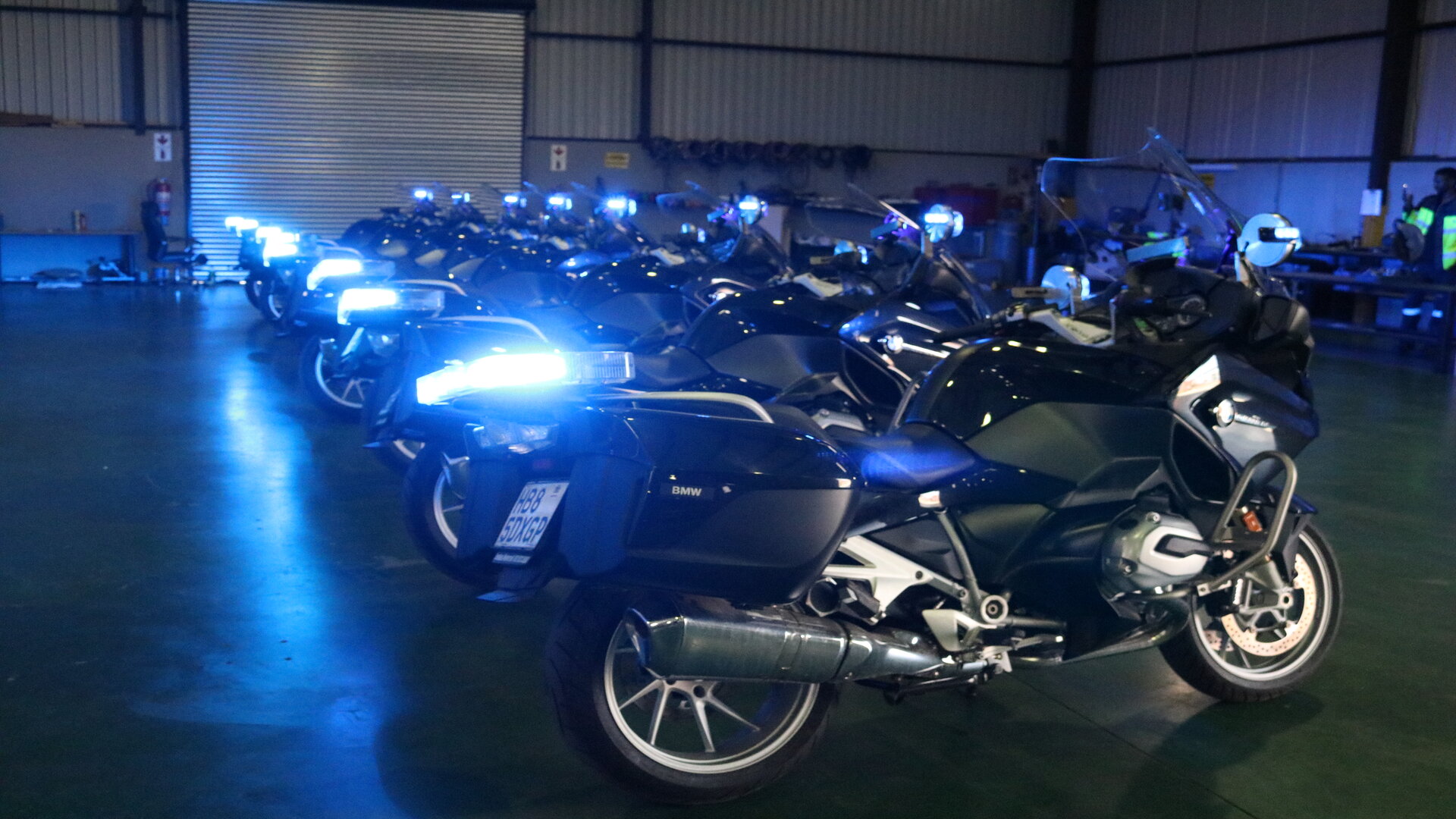
This is the most misunderstood rule on South African roads. Blue lights are not for private security companies. They are not for VIP escort services. They are not for individuals who simply want to move faster through traffic. Under Regulation 176 of the NRTA, only the following may legally carry and operate blue identification lights:
- Vehicles operated by members of the South African Police Service (SAPS)
- Vehicles operated by Municipal Police Services (including Metro Police)
- Traffic officers performing official duties
- Members of the South African National Defence Force (SANDF) Military Police during active duty
That is an exhaustive list. There are no additional categories, no exceptions for private security, and no provision for commercial escort vehicles regardless of what they are protecting.
I know this directly from experience. A client came to our Midrand office recently, having booked an appointment to get blue lights fitted on two private security escort vehicles. He was confident about what he wanted. We had to sit him down and explain that what he was asking for would expose him to criminal liability — his vehicles were not SAPS vehicles, and his company was not a Municipal Police Service. No installation of blue lights was possible, regardless of the nature of his escorts.
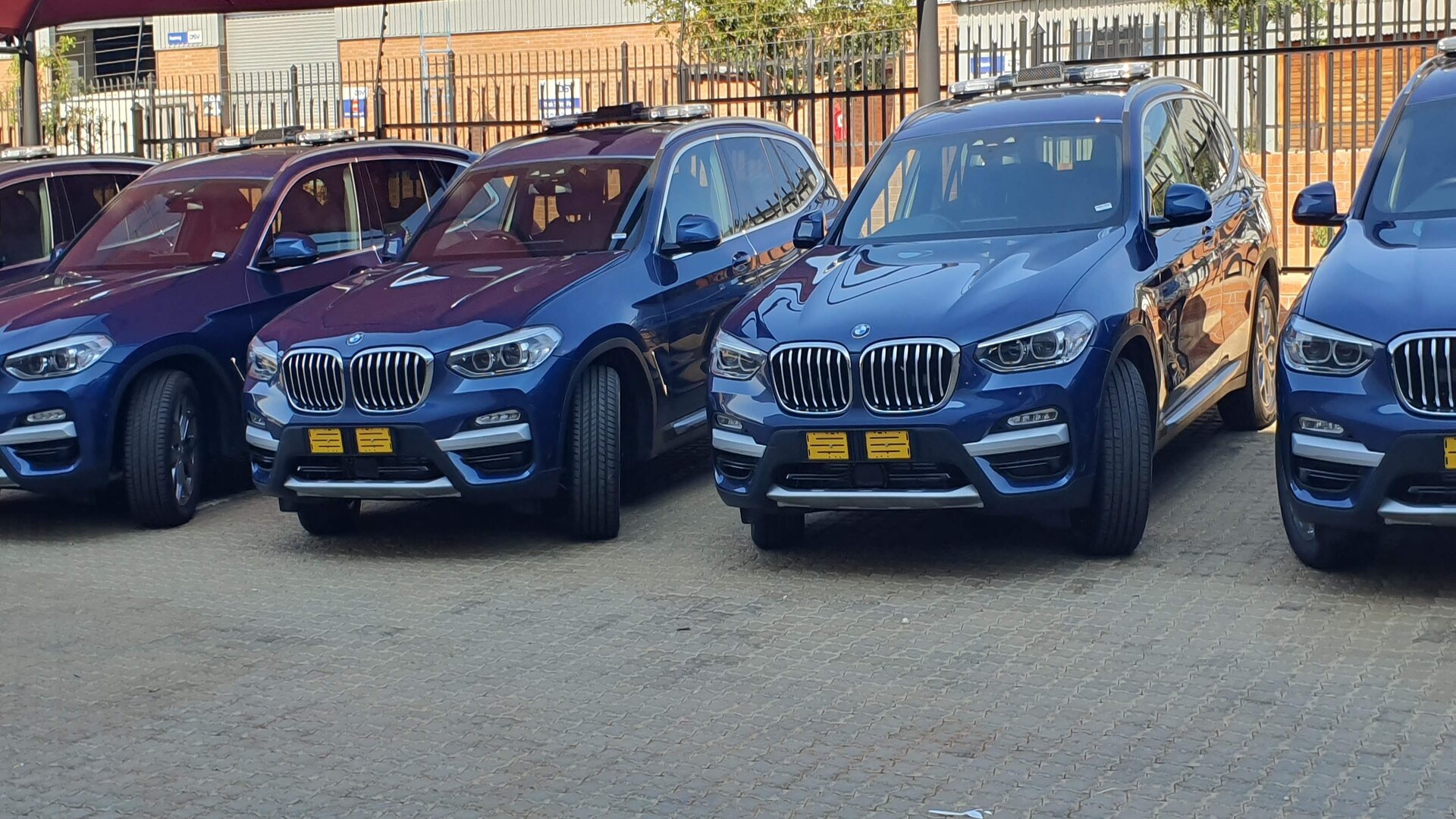
He understood the situation. We guided him toward the legally compliant option — white LED emergency lights — and his vehicles left our workshop properly fitted and road-legal. His client was fully satisfied with the result. But not everyone has that conversation before they buy. Many don't. And those vehicles are one roadblock away from serious trouble.
"A vehicle fitted with illegal blue lights doesn't just put the driver at risk — it actively confuses other road users and erodes trust in the lights that actually matter."— T Mlati, Technical Operations Manager, Remmogo Signaling and Branding
Red Lights: Emergency Services Only
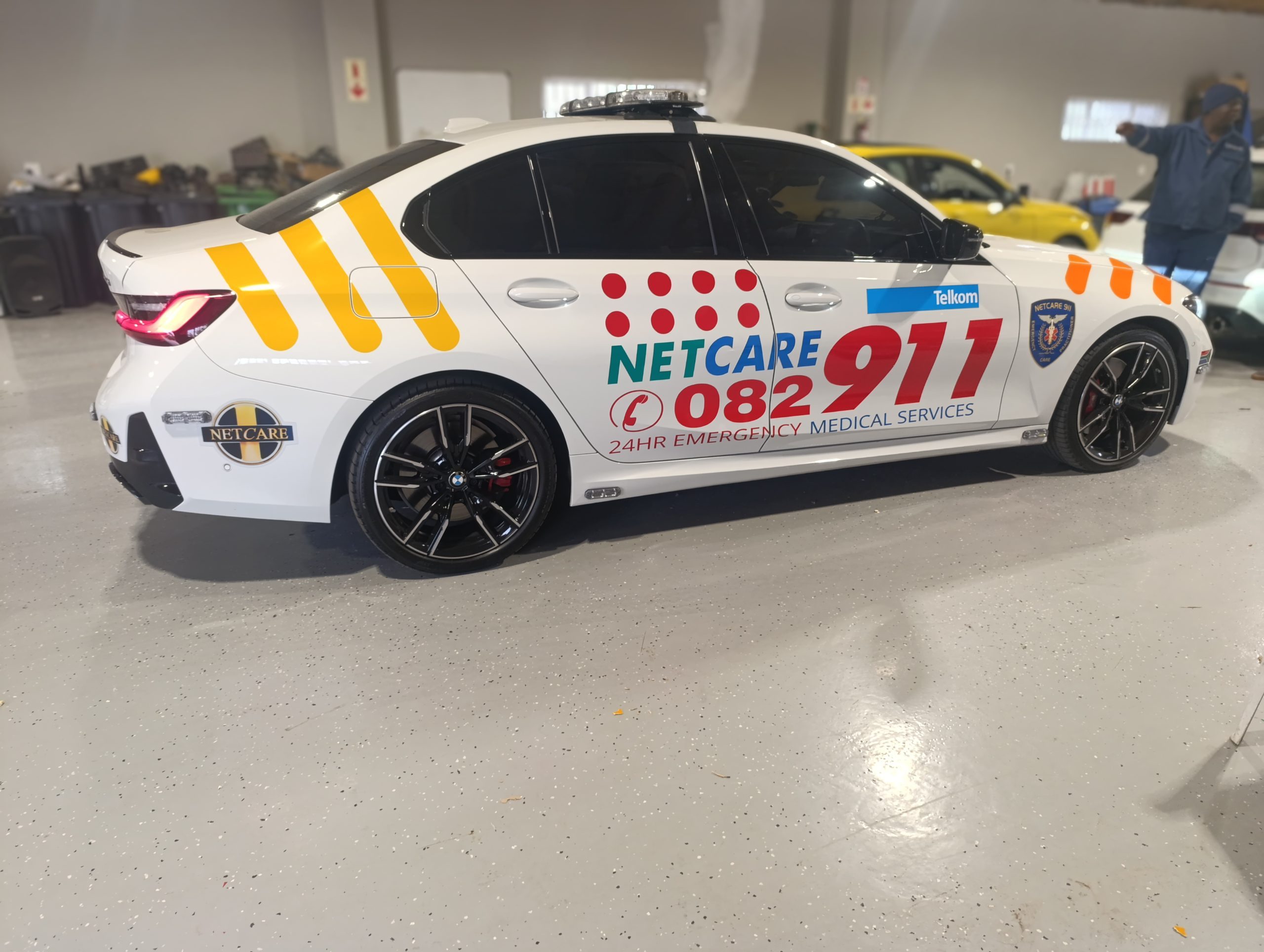
Red identification lights fall under similar restrictions to blue. The NRTA explicitly permits only the following vehicle types to carry red flashing lights:
- Ambulances responding to medical emergencies
- Fire engines and fire department vehicles
- Search and rescue vehicles authorised by the relevant authority
Private businesses, security firms, and personal vehicles fall entirely outside these categories. A red flashing light on a non-emergency service vehicle sends the wrong signal to every other road user it encounters — and that confusion is precisely what the regulation is designed to prevent.
Amber and White: The Lights That Apply to Most Commercial Fleets
This is where it gets more practical for most businesses. Amber (yellow) lights are the most widely used legal option for commercial, municipal, and service vehicles — and white LED bars are the specific legal provision for registered private security companies.
Amber lights — who is authorised
The NRTA authorises amber identification lights for the following vehicles:
- Breakdown and tow trucks (specifically when towing a vehicle)
- Abnormal load vehicles, including pilot vehicles escorting them
- Road maintenance vehicles employed in connection with public roads
- Utility vehicles involved in the distribution of electricity and supply of essential public services
- Refuse compactor vehicles
- Vehicles specifically authorised by the relevant provincial MEC
Vehicles outside those categories that have not received MEC authorisation may not be fitted with amber identification lights — even if they operate in genuinely hazardous environments.
White LED bars — the rule for private security companies
This is where many security companies fall short without realising it. The NRTA makes specific provision for registered private security companies, but with very precise conditions. Security vehicles may carry a lens bar fitted with white lights, displaying the word "SECURITY" and the owner's company name in black letters.
Here is the part most people miss: those white lights are not permitted to rotate or strobe. That single restriction eliminates a large portion of the lights sold online as "security vehicle lights." The flashing, cycling, strobe-pattern bars that dominate online listings? Most of them are non-compliant for security company vehicles by definition — even if the lights themselves are white.
Running a security fleet specifically? We go deeper on this — including a common ownership trap that catches new security companies off guard — in our guide on what to do if your security company's vehicle lights aren't legal.
Which Emergency Light Colour Is Your Vehicle Allowed?
Use this table as a starting point. If you are unsure whether your vehicle and use case qualifies, speak to a certified installer before fitting anything. The consequences of getting it wrong are not proportional to the cost of asking first.
| Vehicle / Operator Type | Permitted Colour | Rotating / Strobe Allowed? | Status |
|---|---|---|---|
| SAPS, Metro Police, Traffic Officers, SANDF Military Police | Blue | Yes | Authorised |
| Ambulances, Fire Engines, Authorised Rescue Vehicles | Red | Yes | Authorised |
| Breakdown / Tow Trucks (when towing), Abnormal Load Vehicles | Amber | Yes (during operation) | Authorised |
| Road Maintenance, Utility & Refuse Compactor Vehicles | Amber | Yes (during operation) | Authorised |
| Registered Private Security Companies (with "SECURITY" + company name) | White (static lens bar only) | No — not permitted to rotate or strobe | Authorised (conditions apply) |
| Private Security Companies using blue or red lights | Blue / Red | N/A | Prohibited |
| Any private individual or non-authorised business | Any identification light colour | N/A | Prohibited |
Why Buying Emergency Lights From an Online Retailer Is a Gamble You Cannot Afford
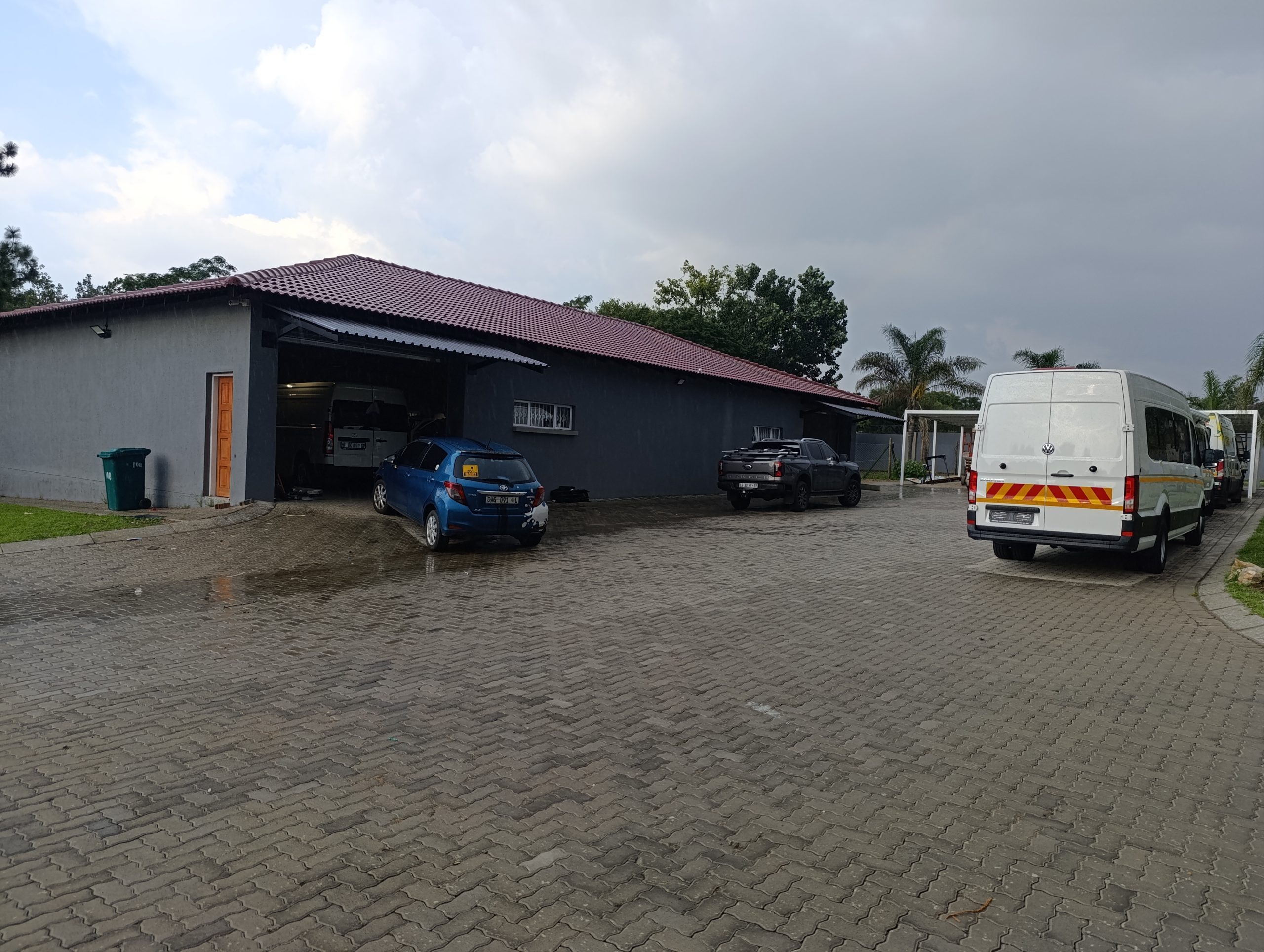
Here is something I have seen repeatedly since we started fitting emergency vehicle lighting in South Africa: people buy cheap lights from online retailers, fit them to their vehicles, and then assume the job is done. Sometimes those lights fail within months. But the bigger problem is not the quality — it is the compliance.
The light itself is only part of the equation. A LED lightbar needs correct wiring, correct mounting, correct flash-pattern programming, and — in the case of security vehicles — correct labelling. An improperly installed bar, even if it is the right colour, can still constitute a legal violation if it is mounted incorrectly, lacks the required text, or is programmed to cycle through patterns reserved for authorised emergency vehicles.
The products you find on online retail platforms are often manufactured without any reference to South African law. They are built to a price point, not a compliance standard. They ship without installation guidance that references NRTA Regulation 176, and they come with no technical accountability if your vehicle is flagged at a roadblock.
People buy cheap lights from online retailers and expect professional-grade performance. The problem is not just reliability — it is that most of those products were never designed for the South African legal environment. They are generic products sold into a market that has specific, enforceable rules.
Remmogo is Sub-Saharan Africa's sole authorised Whelen Engineering distributor. Whelen is the global standard for emergency vehicle lighting — the brand used by law enforcement and EMS services across multiple continents. When we fit lights to your fleet, we fit equipment built to a standard, not a price. Every installation leaves our Midrand workshop compliant, correctly wired, and documented.
"The light itself is only part of the equation. Compliance is determined by the combination of colour, mounting, labelling, and flash pattern — not colour alone."— T Mlati, Technical Operations Manager, Remmogo Signaling and Branding
Not sure if your vehicle's lights are compliant? Start here.
-
1Identify your vehicle category — tow truck, security company, breakdown service, EMS — and check it against Regulation 176 of the NRTA. The colour your vehicle type is permitted to carry is non-negotiable.
-
2If you operate a registered security company, confirm that your white lens bar displays "SECURITY" and your company name in black letters, and that it does not rotate or strobe. If it does either of those things, it is non-compliant.
-
3Remove any blue or red lights from non-authorised vehicles immediately. A fine, impoundment, or criminal charge is not worth delaying this step by even a day.
-
4Contact a certified installer before purchasing any new lights. Compliance depends on colour, mounting position, labelling, and flash pattern together — not colour alone.
-
5Book a consultation with Remmogo — we will assess your fleet's current setup, advise on the correct Whelen solution for your vehicle type, and carry out professional installations across all nine provinces.
Get Your Fleet's Lights Done Right
We have been fitting legally compliant emergency vehicle lighting across South Africa since 2014. As Sub-Saharan Africa's sole authorised Whelen distributor, we supply, install, and certify — so you don't have to guess whether your vehicles will pass inspection.