
How Long Do Vehicle Wraps and Branding Last in South Africa?
What decides it, how to wash it, and what we see when it comes off
How long do vehicle wraps last in South Africa? Printed on cast vinyl and laminated, five to seven years. Printed and not laminated, no more than two years before the colour starts to degrade. Those are the two numbers I give clients, and the gap between them is far bigger than most people expect when they're comparing quotes.
The rest of this post is about what pushes a vehicle towards one end of that range or the other: the sun, the panel it lands on, how the vehicle is washed in its first week and every week after, and what's underneath the vinyl. I'll also share what we've found from branding more than 2,000 vehicles over the years, and from taking some of that branding off again.
Section 01 Branding or Wrap? The Words Matter Here
Before the numbers, a word on words. On the phone and on WhatsApp, our corporate clients tend to say branding. Almost everyone else says wrapping. And when someone in the second group asks about wrapping their car, they nearly always mean a colour change: the whole car goes from blue to matte black, or white to grey. When a company asks about branding, it means the logo, the name and the contact details on the vehicle, sometimes with graphics across a panel or two.
The two age differently, so "how long will it last?" has a different answer depending on which one you mean. Here are the four things people are usually asking about.
Four things people call "wrapping" or "branding"
- Cut vinyl decals. Your logo and company name, cut out of coloured film. Nothing is printed.
- Printed branding, laminated. Your artwork printed on vinyl, with a clear protective layer over the print.
- Printed branding, not laminated. The same print with no protective layer.
- A colour-change wrap. The vehicle's colour changed with plain coloured film. Nothing is printed on it. We do these through our car wrapping service.
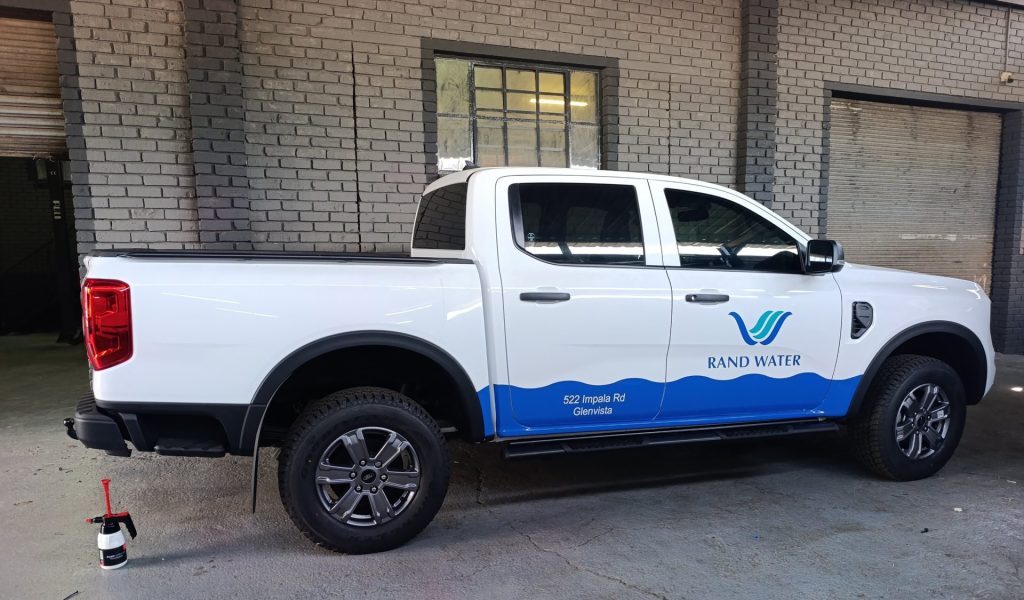
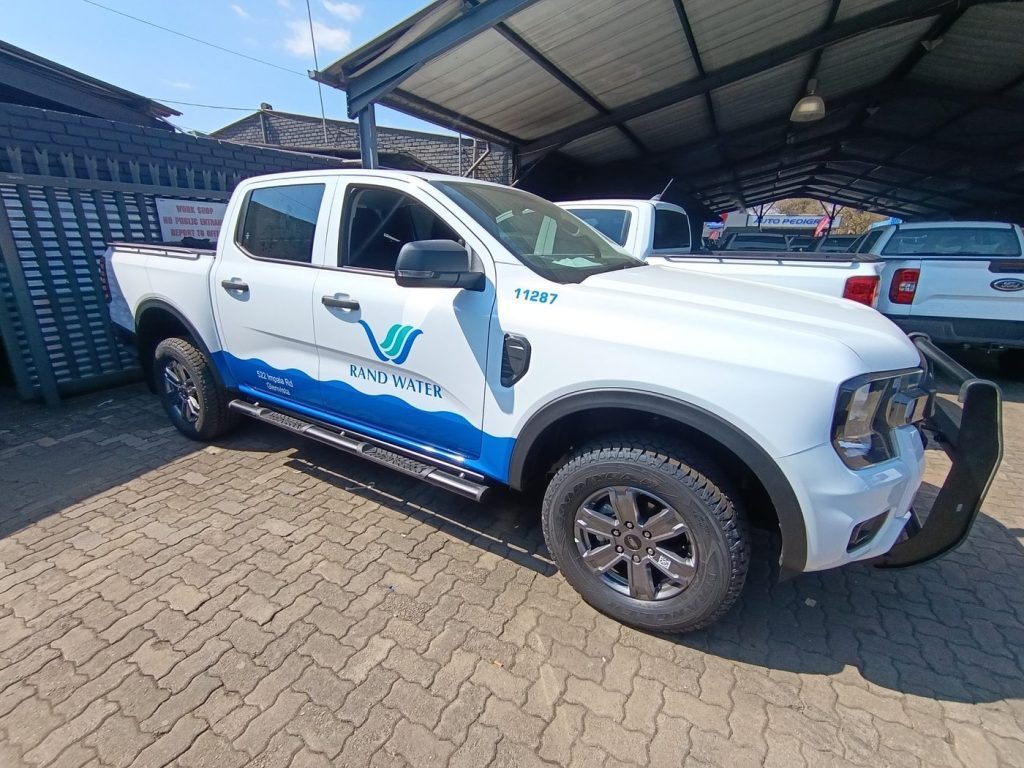
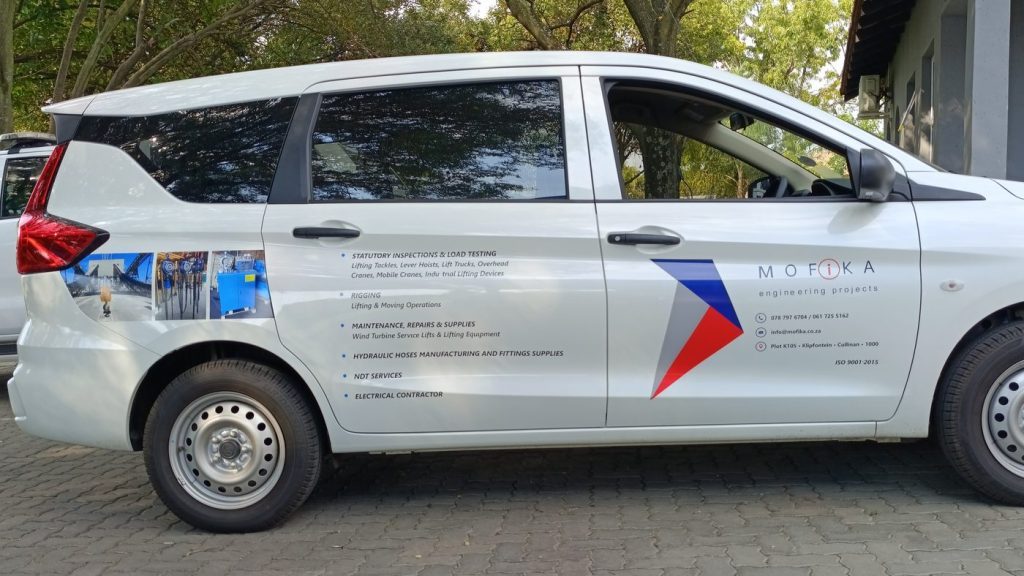
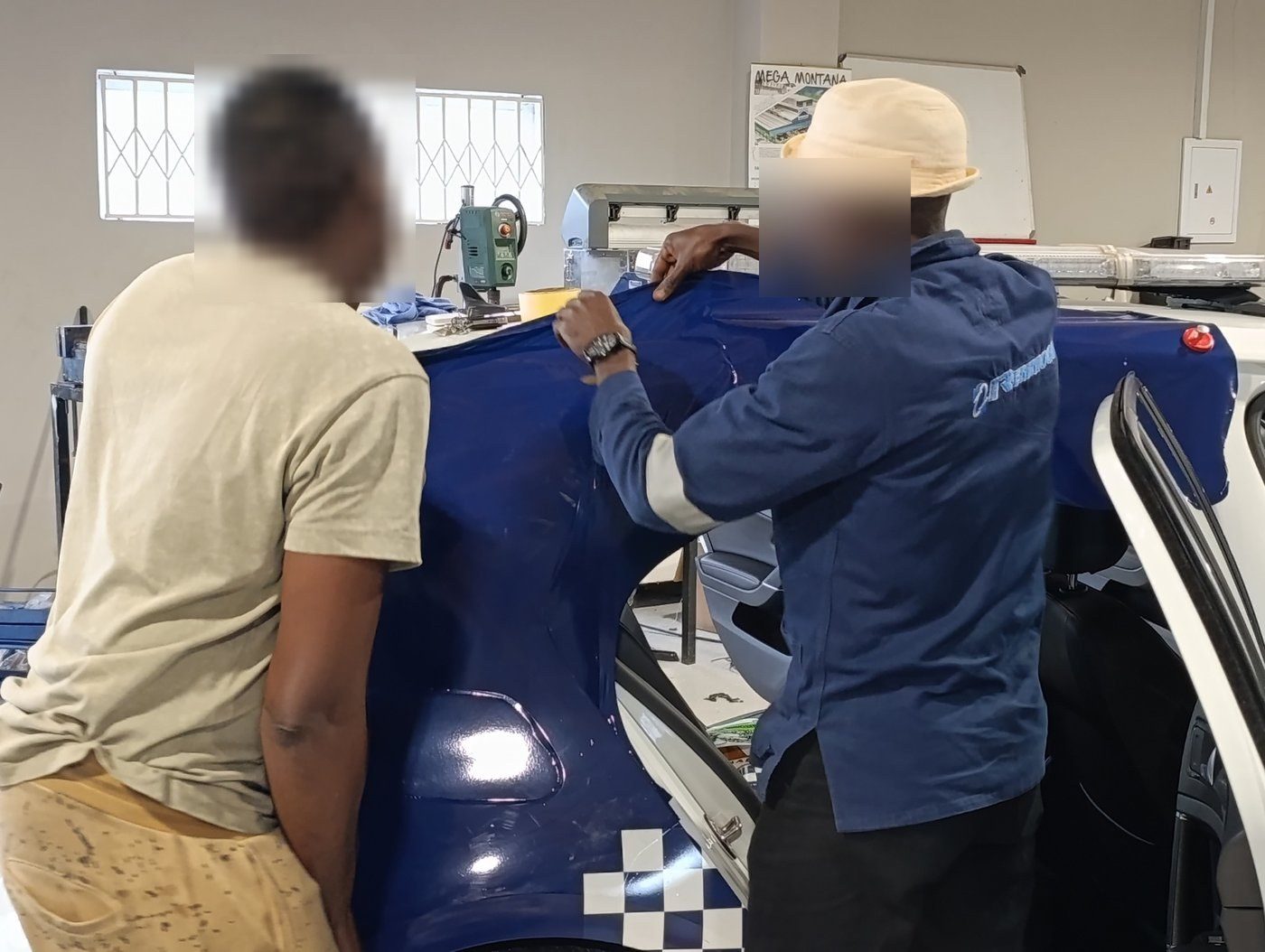
The Rangers in the photos are a good example of the first type. We branded 20 of them on the client's own premises, and everything on the sides is cut vinyl: the logo, the lettering and the blue wave. Nothing is printed. A different job shows the mixed case: the MPV below, photographed at our offices in Midrand, carries decals, printed vinyl and cut outs on the one vehicle. Each of those ages differently, so a single vehicle can have more than one answer to "how long will it last?"
Section 02 How Long Each Type Lasts
| Type | Printed | Laminated | How long it lasts |
|---|---|---|---|
| Cut vinyl decals | No | No | There's no print to fade, so the film and the exposure decide. We don't put one number on it. |
| Printed on cast vinyl, laminated | Yes | Yes | 5 to 7 years |
| Printed, not laminated | Yes | No | No more than 2 years without colour degradation. Less in harsh exposure. |
| Colour-change wrap | No | No | Nothing to fade and nothing to protect. The film, the sun and the washing decide. |
Our own figures, from branding and de-branding vehicles at our Midrand workshop. Exposure to the elements moves every one of them.
The other South African shops I've looked at quote the same five to seven years, and for laminated cast vinyl it's an honest number. What I rarely see written down is the unlaminated figure. Printed vinyl without lamination is ink with nothing over it. The sun gets to the colour first, and the colour starts to degrade. We tell clients two years at most, and that depends on exposure to the elements: a vehicle parked under cover and washed gently will get closer to two years than one that sits in an open lot all day.
That's why the lamination question matters, and why I'd rather you ask it before you sign. If you want to see how lamination, film type and coverage change what you pay, I walked through four real jobs in our post on vehicle branding cost in South Africa.
Without lamination, two years is the ceiling. How much sun the vehicle gets decides how close it comes to it.
T. Mlati, Technical Operations ManagerWhy a colour-change wrap isn't laminated
Lamination protects a print. A colour-change wrap isn't printed on, so there's no wording or graphics to protect, and the laminate would have nothing to do. That's the reason it doesn't get one. It doesn't mean the wrap is immune to ageing: the film still sits in the sun, still gets washed, and a bonnet still takes a beating. Most of what follows applies to it just as much as it does to branding.
Section 03 What Shortens the Life of Vehicle Branding
1. The sun, and which panel it hits
Horizontal panels take the most abuse from the sun, and on most vehicles the bonnet is the clearest example. A door stands upright and sees the sun at an angle for part of the day. A bonnet faces it from sunrise to sunset. The roof and the boot or load-bin lid are in the same position. Film maker guidance backs that up: Arlon's wrap aftercare guidance names the hood and roof as the surfaces that take the most heat and UV. If a design runs across the bonnet, that's the first place I'd look for wear, and it's worth asking your installer how they'd treat it. Section 05 has a vehicle that shows exactly what that looks like.
2. Where the vehicle sleeps
A vehicle parked under cover at night and in shade at work will age more slowly than one left in an open lot. Arlon recommends a garage or a shade structure where you can manage it. Where a fleet can be parked under shade netting or a carport, it's worth doing.
3. How it's washed
This is the one factor you control completely, and it's where well-meaning owners shorten the life of their own branding. I've given it its own section below.
4. The film and the fitting
Unlaminated print will reach the end of its life sooner than laminated cast vinyl, whatever you do. Past the material, a good film badly fitted won't last either. Edges and seams are where a poor fit shows up first, and that comes down to the installer, not the film.
Source: Arlon, wrap aftercare.
The short version
The short-life combination is unlaminated print, a bonnet in full sun and rough washing. The long-life combination is laminated cast vinyl, shade where possible and a gentle hand wash.
Section 04 Washing: The Rules We Give Our Clients
These are the rules we give our clients. They're stricter than some film makers' guidance, and I'll explain why below.
Our three washing rules
- No washing for 4 days after the vinyl is fitted. Give the adhesive time to bond before water gets near the edges.
- The first wash is a hand wash, with light-pressure water from a hose pipe.
- Never pressure wash directly on the vinyl. Not on day one and not in year three.
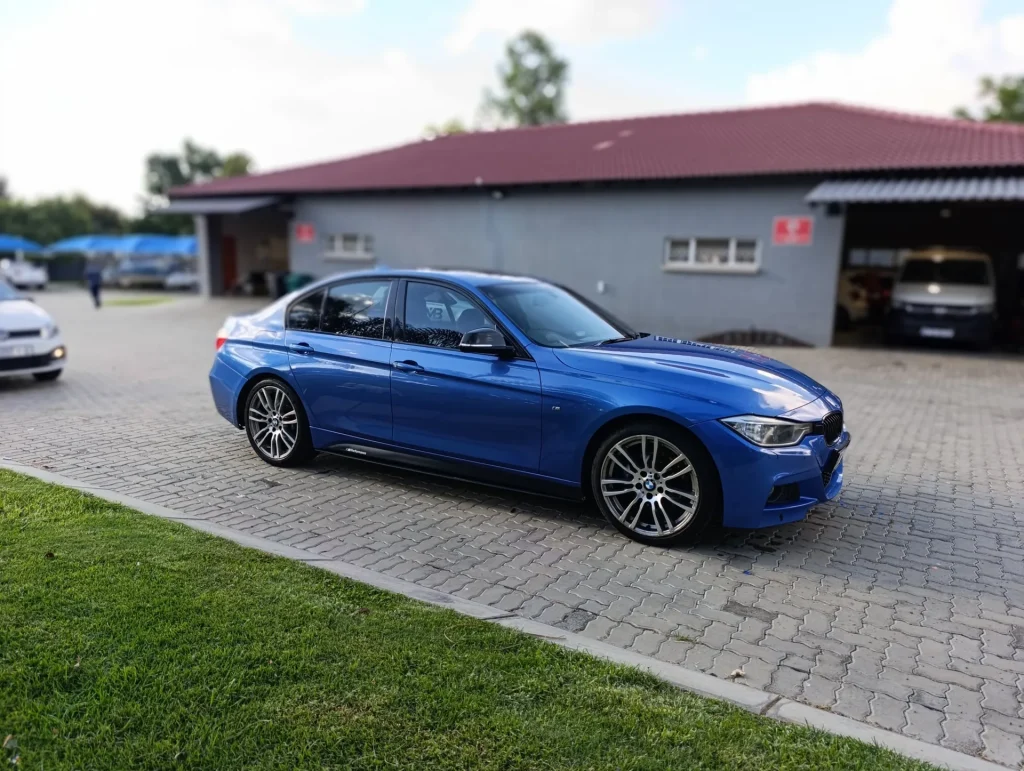 Before
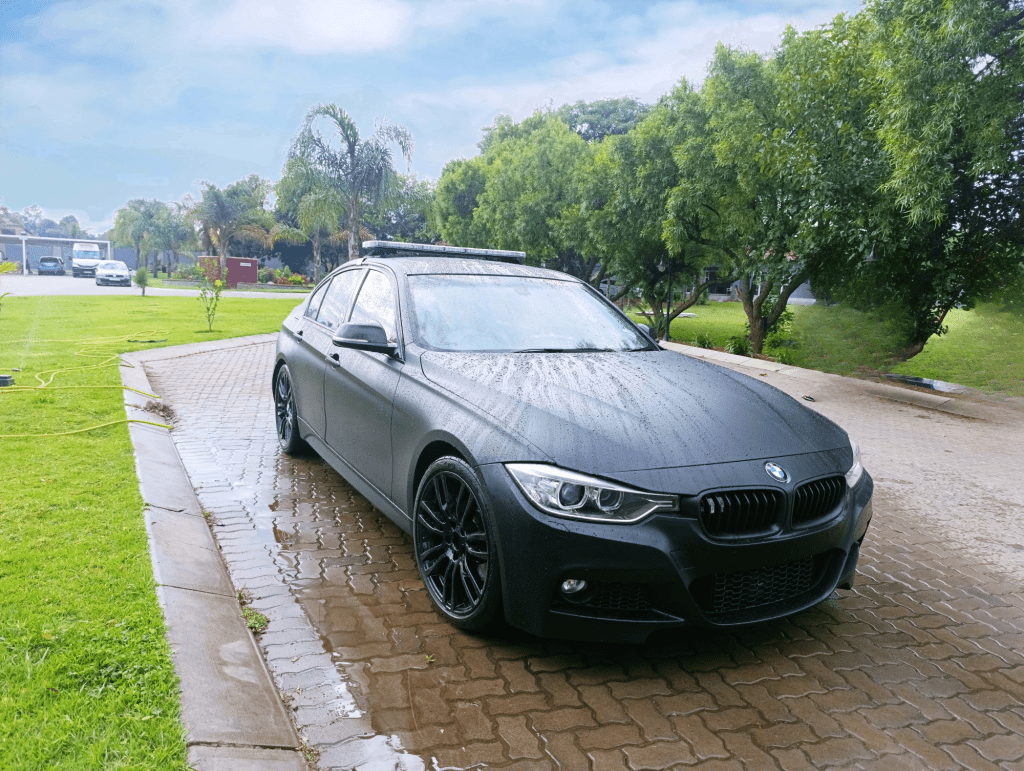 After
Film makers are a little more forgiving. Arlon, for example, allows a pressure washer if you keep the nozzle at least 12 inches (about 30 cm) from the edges, stay below 2,000 psi and never aim at an edge. I'd still rather you didn't. A hose and your hand will lift road dirt off vinyl without any trouble, and a pressure washer can lift an edge in a second. The risk isn't worth it.
The rest of the film-maker advice is sensible, and I'd follow all of it. Wash by hand with a sponge or soft microfibre cloth and car soap. Skip automatic car washes, because the stiff bristles can scratch the laminate or catch the edges of the vinyl. And don't use wax or polish on matte or satin finishes, because it leaves shiny, uneven spots.
Section 05 What We See When Branding Comes Off
We've branded more than 2,000 vehicles, and a portion of them have come back so that we could take the branding off. A few patterns keep repeating, and they're worth knowing about before you put anything on your paint.
When the paint comes up with the vinyl
If vinyl lifts the paint when it's removed, then more likely than not the vehicle was resprayed at some point, and the respray wasn't done correctly. Either the paint mixture was wrong or the coverage was poor. If your vehicle has been resprayed, tell your installer before the job, not after.
The adhesive and the vinyl are the real work
When we remove vinyl after some years, the job is mostly about dealing with the adhesive and making sure the paintwork doesn't get scratched. The other main issue is the vinyl itself. The cheaper the vinyl that was used to brand the vehicle, the more it tears and comes off in small pieces, and that makes removal slower and more tedious. It's the part of removal that's easy to overlook when you're ordering the branding.
The panels that were never branded
Picture a white panel van, branded on some panels and in service for six years. The panels that were never branded have a washed-out look from six years of weather. The panels that were under vinyl come out looking new. Take the branding off and you have one vehicle in two conditions.
The fix is paint correction, and it has to cover the whole vehicle for the white to match all the way round. If the full vehicle wasn't branded, expect that to be part of the removal job. It's far easier to plan for at the start than to be surprised by it at the end.
When vinyl lifts the paint on removal, it's more likely than not a respray that wasn't done properly.
T. Mlati, Technical Operations ManagerA vehicle that shows all of it: before, during and after
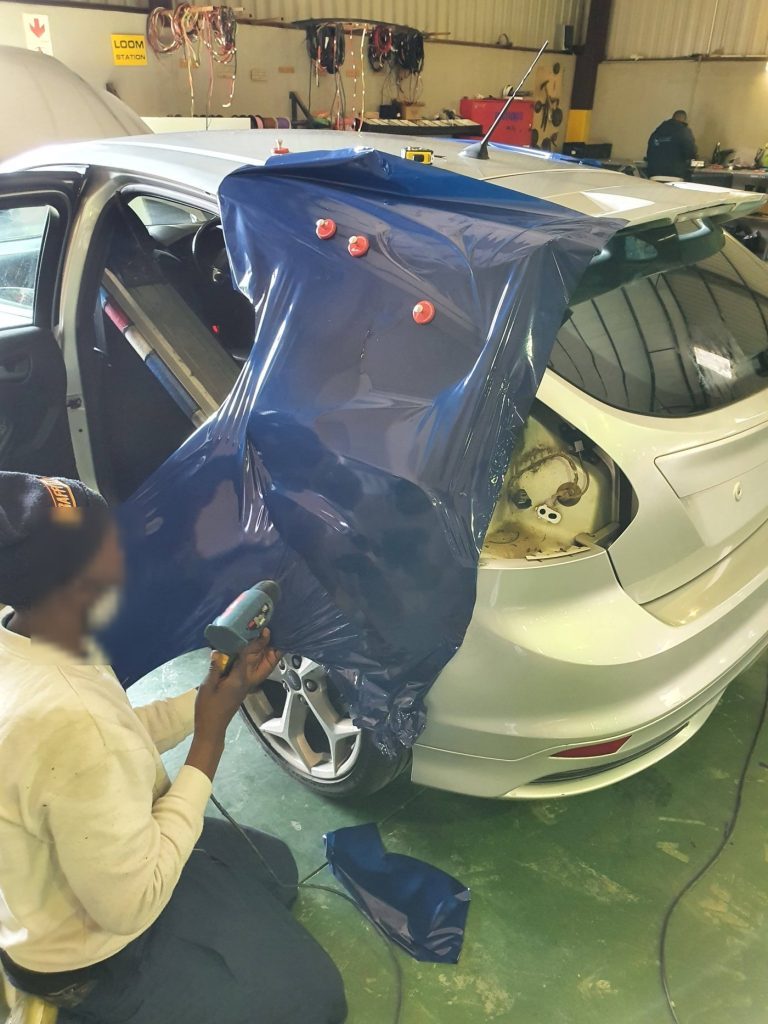
The clearest example we have came to us from a client. The branding on this VW Golf GTI wasn't done by us. The client brought it in to have the old branding removed, the body repaired, the vehicle resprayed and new branding fitted.
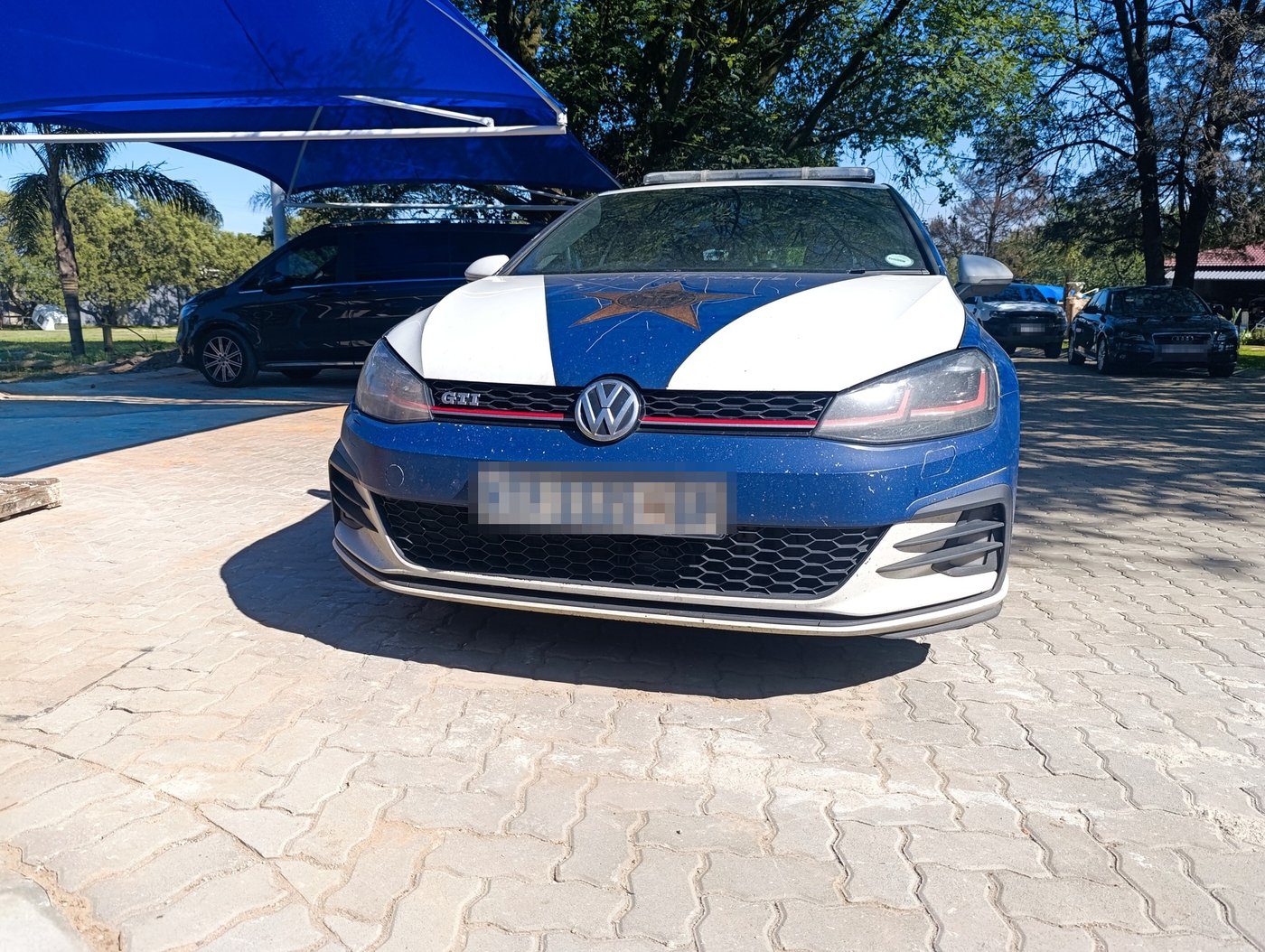 Before
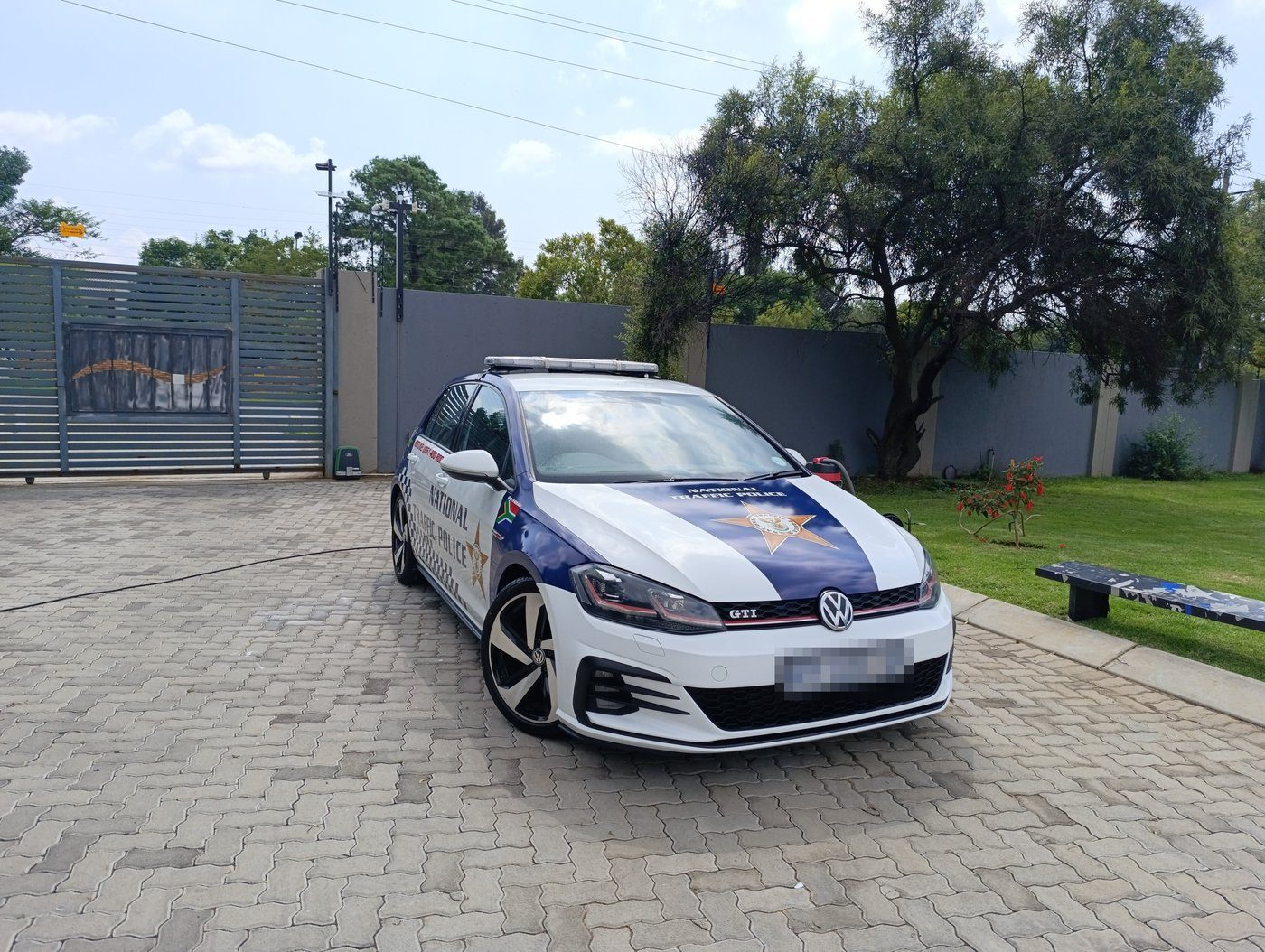 After
Look at the before photo. The original branding was done with cheaper vinyl that wasn't laminated, and it shows. The vinyl is cracking, and the bonnet has taken a lot of sun damage, which you can see most clearly on the star emblem. That's the horizontal-panel problem from Section 03, on one vehicle.
 During
The paint had its own problems. There was heavy stone-chip damage on the bumper and the bonnet, so once the old vinyl was off, our body shop did bodywork on both and then resprayed them. Every other area of the vehicle got paint correction. They also polished the headlights, which are hazy in the before photo. We rebranded the vehicle in cast vinyl, laminated. The client chose not to wrap the bumper, so it was left as paint.
Two things come out of that job. Cheaper vinyl without lamination cracked and sun-damaged on the bonnet, which is where it takes the most punishment. And taking the old branding off wasn't the end of the work: the paint underneath needed bodywork and correction before anything new went on.
That's why removal is a job and not just a peel. We do offer it, and once the vinyl and adhesive are off we polish the paint where it needs it. There's a short answer on removal in the cost post, and our vehicle branding services page covers the rest of what we do.
Section 06 Six Questions to Ask Any Installer Before You Pay
Whoever you use, these six questions will tell you more than the quote does.
- Is it printed or cut, and is it laminated? These two answers decide the lifespan more than anything else. If it's printed and not laminated, expect two years at most.
- Is the film cast or calendered? Ask for the answer in plain words, not a product code. Our cost guide explains what the difference means for the job.
- What does the film maker say it should last? Ask for it in writing, for the exact film and finish. A figure for laminated print says nothing about unlaminated print or a colour change.
- What happens on the bonnet and the roof? They're the panels that wear first, so a good installer will have an answer.
- What's your aftercare advice? It should cover how many days before the first wash, whether pressure washers are allowed and what to do about car washes. If the answer is "wash it normally", ask again.
- Can I see a vehicle you branded three or more years ago? Photos from fitting day show that the installer can apply vinyl. A vehicle that's been on the road shows how it lasts.
You can see how our recent jobs look in the gallery, and the full range of what we do is on our vehicle branding services page.
FAQ Vehicle Wrap and Branding Lifespan: Quick Answers
How long do vehicle wraps last in South Africa?
It depends on the type. Printed branding on cast vinyl, laminated, lasts five to seven years. Printed branding without lamination lasts no more than two years before the colour starts to degrade. A colour-change wrap isn't printed, so there's no ink to fade, and its life depends on the film and on how much sun, washing and weather it takes. Ask your installer for the film maker's figure in writing.
How long does vehicle branding last without lamination?
No more than two years without colour degradation. How close it gets to two years depends on exposure to the elements, so a vehicle parked in the open all day will come off worse than one kept under cover.
Does vinyl wrap damage paint?
It can lift paint that wasn't applied properly in the first place. In our experience, when vinyl lifts the paint on removal, the vehicle was more likely than not resprayed, with a paint mixture that wasn't right or poor coverage. After some years, removal is mostly about the adhesive and keeping the paint free of scratches, cheaper vinyl tends to tear and come off in small pieces, and paint correction may be needed so branded and unbranded areas match. Tell your installer if your vehicle has been resprayed.
How do you wash a wrapped car, and can you pressure wash it?
Wash it by hand with a sponge or soft microfibre cloth and car soap, using water from a hose pipe at light pressure. Our rule is never to pressure wash directly on the vinyl. Avoid automatic car washes, and don't use wax or polish on matte or satin finishes.
How long before I can wash new vehicle branding?
Wait 4 days. The first wash should be a hand wash with light-pressure water from a hose pipe.
Which part of a vehicle wrap wears out first?
The horizontal panels, because they take the most abuse from the sun. On most vehicles that means the bonnet first, then the roof and the boot or load-bin lid.
Is a car wrap the same as vehicle branding?
Not quite. Branding puts your logo, name and graphics on a vehicle, either cut from vinyl or printed. A wrap usually means a colour change, where the whole vehicle is covered in plain coloured film. Both use vinyl, but they age differently, so check which one a quote is for.
Planning Branding That Lasts?
Tell us how long it needs to last and where the vehicles park. We'll tell you what to put on them.
Branding That Lasts
Starts With the Right Spec.
Remmogo brands vehicles for businesses across Johannesburg and Gauteng, from a single hatchback to a full fleet. Tell us how long it needs to last and we'll recommend the film and the finish.